Papinka
Stainless 304 vs 316 vs 201 vs 430 for Tumblers and Mugs
A short guide to stainless steel grades for tumblers and mugs: 304, 316, 201, and 430. Which are safe for drinks, plus single wall versus double wall.
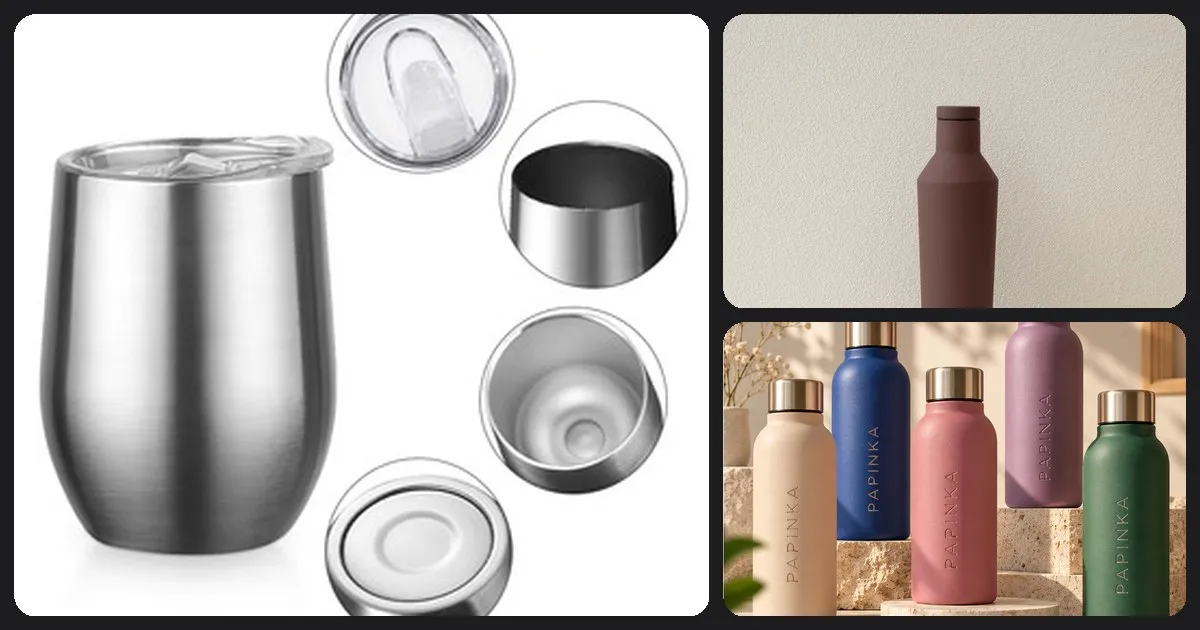
Almost every tumbler and lidded mug uses stainless steel. The catch is that there are many types of stainless, and not all of them are equally good for drinks. Here are the differences you will run into most often.
Summary
| Grade | Main content | Rust resistance | For drink containers |
|---|---|---|---|
| 304 (18/8) | About 18% chromium, 8% nickel | Good | Food-grade standard, most common |
| 316 | Like 304 + about 2% molybdenum | Very good | More resistant to acids and salt, more expensive |
| 201 | Low nickel, replaced with manganese | Lower | Not recommended for the inner wall |
| 430 | No nickel | Moderate | Usually for the outer body, not the inside |
Stainless 304
This is the most common grade for tumblers and kitchenware. 18/8 means roughly 18% chromium and 8% nickel. Chromium forms a protective layer against rust, while nickel makes it more stable and easier to shape.
Good for: water, coffee, tea, and everyday drinks.
Stainless 316
Stainless 316 adds molybdenum, making it more resistant to salt and acids. That is why it is also called marine grade.
Good for: people who often fill their tumbler with acidic drinks like orange juice, or who live near the coast. It costs more than 304.
Stainless 201
Stainless 201 reduces nickel and replaces it with manganese to lower the cost. As a result, it rusts more easily, especially with acidic drinks or harsh cleaning chemicals.
Note: not recommended for the inner wall of a tumbler that touches your drink.
Stainless 430
This grade contains no nickel and is magnetic. Its rust resistance is below 304. In tumblers, 430 is sometimes used for the outer body, while the inside is still 304.
The magnet test myth
Many people test stainless with a magnet: if it does not stick, it must be 304. This is not reliable. Stainless 304 can become slightly magnetic after it is formed, and 201 may not stick either. The safest approach is to ask the seller about the inner material, or look for a stamp such as “SUS 304” on the bottom of the product.
Single wall vs double wall
- Single wall: one layer of metal. Light and cheap, but it does not hold temperature. Hot drinks make the outside hot too.
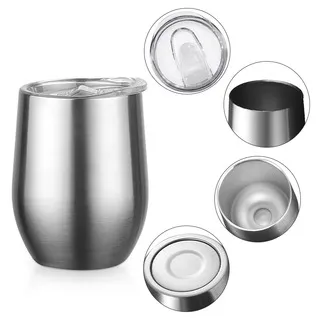
- Double wall vacuum: two layers of metal with a vacuum in between. Drinks stay hot or cold longer, and the outside does not get hot or sweat.
Outer coating and engraving
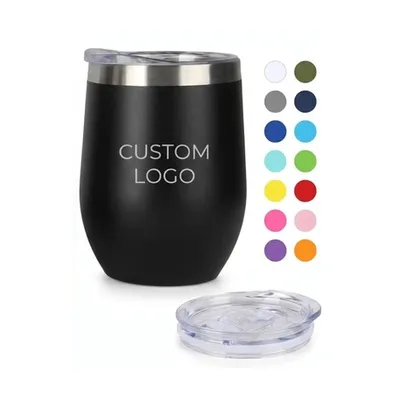
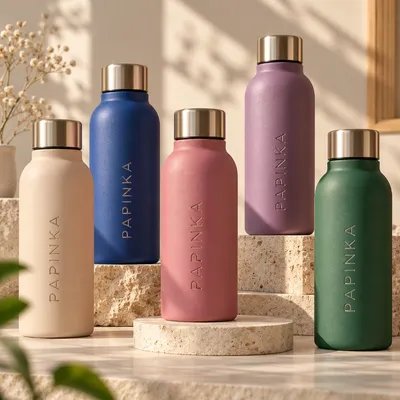
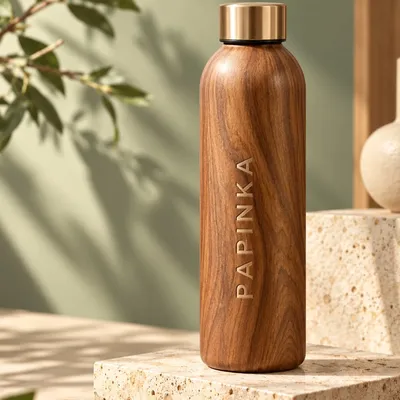
A tumbler’s color and pattern (such as wood grain or matte colors) come from the outer coating, not the metal. Engraving etches through this coating to reveal the metal underneath. That is why engraving looks crisp and does not peel.
How to choose
- Ask about the inner material. The part that touches your drink matters most.
- For hot or cold drinks, choose double wall.
- Care for it properly. Avoid bleach and steel wool. Read our care guide for tumblers and mugs.
Want to know the material of a tumbler or mug in our catalog? Ask us directly on WhatsApp.